There is a scene that plays out millions of times a day across Nigeriaand honestly, across much of Africa. A freelancer wraps up a project, asks to get paid, and then begins the awkward ritual: typing a ten-digit account number into a WhatsApp chat, screenshotting it, praying the client doesn’t make a typo, and repeating the whole thing for their crypto wallet address when the client is overseas. It works, sort of. But it is 2026, and “sort of” is not good enough for a continent aiming to produce world-class digital talent.
KeepAza is the Nigerian startup that decided to fix the identity layer of this problem, and it is one of the more quietly clever fintech plays to come out of the Nigerian ecosystem in recent memory.
What KeepAza Actually Does
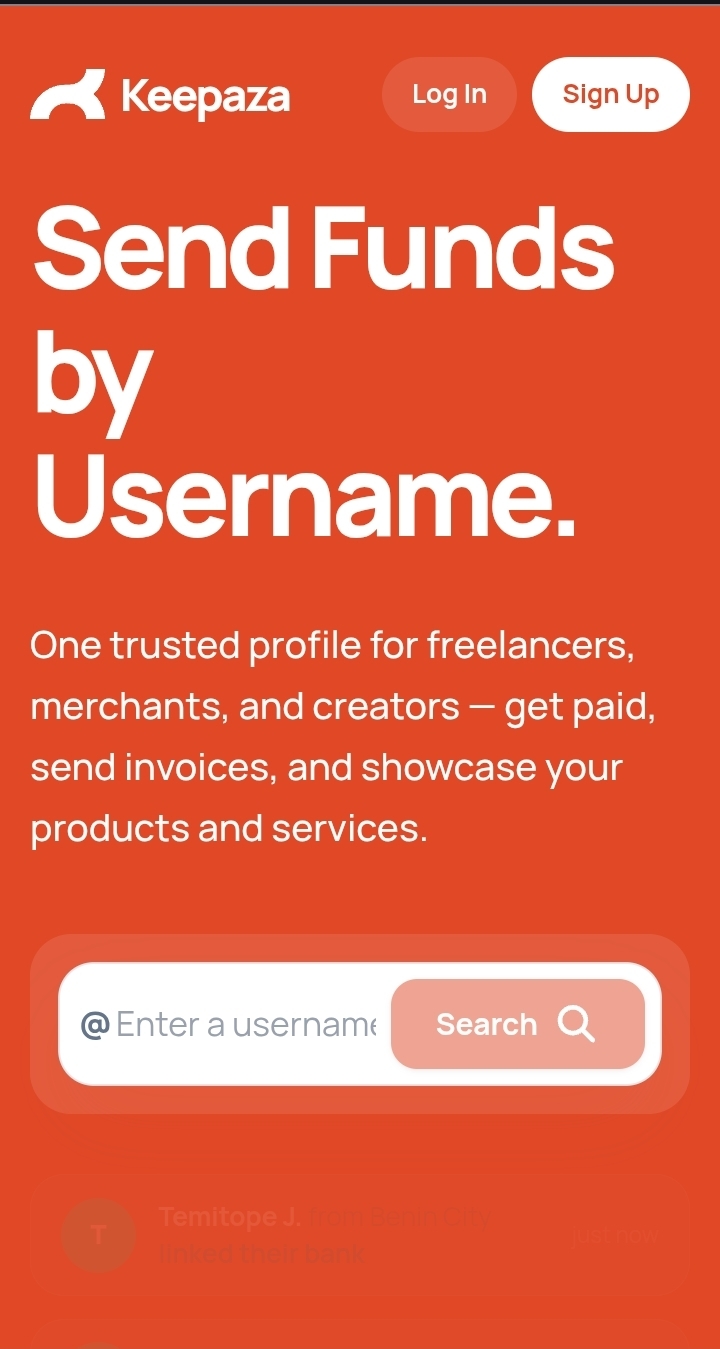
At its core, KeepAza is a payment identity platform. It gives every user a single verified username, think keepaza.com/yourname that resolves simultaneously to their Nigerian bank accounts and cryptocurrency wallet addresses across five blockchain networks: TRC20, ERC20, BEP20, Bitcoin, and Solana.
Instead of pasting raw financial details into public chats, a user shares one clean link. Whoever wants to pay them lands on a page that shows exactly what they need, with no risk of wrong account numbers, leaked financial data, or the dreaded “send again, I didn’t get it” back-and-forth.
That alone would be a solid product. But KeepAza layers an invoicing feature on top. Freelancers, vendors, and small business owners can generate a professional payment request link in under thirty seconds. The client receives a clean invoice page, makes their transfer via their own banking app, uploads proof of payment, and the invoice owner gets notified immediately. It replaces the WhatsApp-voice-note-and-screenshot workflow that most Nigerian SMEs are still running in 2026.
The Insight That Matters
What separates KeepAza from the crowded fintech stack is where it sits in the infrastructure. Paystack, Flutterwave, and Moniepoint are transaction infrastructure, they move money. KeepAza is identity infrastructure, it tells the world where to send the money safely. The platform does not process a single payment. That distinction carries significant regulatory and strategic weight.
It also means KeepAza is not competing with the giants. It is filling a gap they have left open: the moment before the transaction, when a freelancer needs to present themselves professionally and get their details to a client without friction or risk.
The Founder’s Bet
The story behind the funding is as interesting as the product itself. Founder, Akindele Liasu restructured part of his Dubai-based business operations under OH Mobility FZ LLC to commit significant capital into KeepAza, at a time when the prevailing trend among Nigerian entrepreneurs is moving capital offshore, not the other way around.
“I have watched freelancers lose international deals because they could not explain how to receive USDT. I have watched people send money to the wrong account and lose it permanently. These are not edge cases. This is daily Nigerian life.”
The Dubai entity does give KeepAza a structural advantage, most Nigerian startups have to set up international holding structures from scratch at the point of fundraising. Liasu has already done that groundwork, and the company has signalled it will pursue its first institutional round within the coming months.
The Business Model
KeepAza is free to register and use. Revenue comes from three streams: premium short username sales, cryptocurrency swap commissions through integrated third-party swap widgets, and B2B API licensing for financial institutions that want to embed username-based payment resolution into their own products. That last channel is where the real scale potential lives — any fintech or bank in Africa wanting to offer clean payment identity to their users becomes a potential distribution partner.
Why It Matters for Africa’s Gig Economy
Nigeria’s gig economy has crossed the three-million-worker mark and the industry now tops $5.2 billion. Across the continent, African freelancers and remote workers are increasingly plugged into the global digital economy, building software for Silicon Valley, creating content for European brands, managing operations for companies they will never visit in person. Getting paid, however, remains a friction-heavy, trust-eroding process that costs talent deals and credibility.
KeepAza is building the missing piece: a professional payment identity that travels with you, works for both naira and crypto, and makes any African freelancer look as polished as they actually are.
KeepAza is live at keepaza.com. Registration is free and takes under sixty seconds.
BuiltforAfrica is Techiesnode’s recurring spotlight on African-founded startups solving problems that matter on the continent.