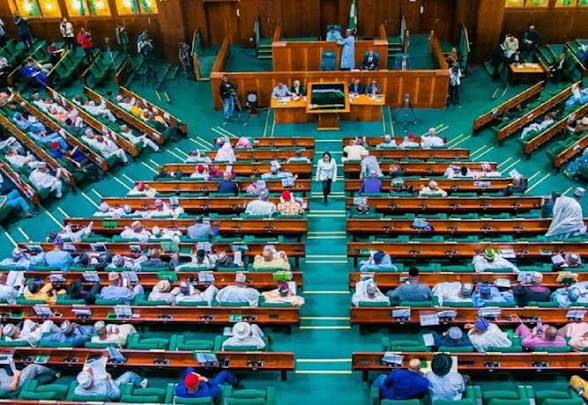
Nigeria has fourteen federal constituencies in Oyo State, each sending one member to the House of Representatives. These legislators vote on federal budgets, tax policies, import duties, and a growing body of legislation that directly shapes the operating environment for technology businesses and professionals. They are, in a very real sense, part of the infrastructure of the digital economy, and they play a role in the growth or lack thereof of the digital economy, whether they know it or not.
The problem is that many of them do not know it. And many of the aspirants seeking those seats in 2027 are unlikely to be much different, unless voters begin demanding something different.
This is not an attack on any candidate or party. It is an observation made from years of convening and supporting tech and startup events. Nigeria’s political recruitment pipeline, the pathways through which people become viable candidates for federal office, has not historically prioritised digital literacy or technology sector experience. The result is a legislative class that is largely ill-equipped to understand, evaluate, or champion legislation that affects the tech ecosystem.
Consider the practical implications. House of Representatives members sit on committees that review telecommunications policy, cybercrime legislation, digital economy frameworks, and federal budget allocations for technology agencies. When a committee is reviewing Nigeria’s cybercrime laws, laws that have direct implications for security researchers, social media users, and digital journalists, the quality of that review depends heavily on whether the legislators involved understand what they are looking at.
Or as a further example consider import duties on technology hardware. Laptops, servers, networking equipment, electronic components, many of these attract import duties that make Nigeria one of the more expensive places in Africa to equip a technology business. A House of Representatives member who understands this can advocate for reform. One who does not will simply vote with their party or their pocket.
For Oyo State’s technology community, the 2027 elections offer an opportunity to raise the bar. Not by demanding that every House of Reps candidate be a software engineer, but by demanding a basic demonstrated understanding of how the digital economy works and how federal legislation affects it.
What would this look like in practice? It would mean asking candidates about their position on the proposed social media tax and its impact on small digital businesses. It would mean asking about their understanding of the gig economy and whether current labour regulations adequately protect or inappropriately restrict freelance workers. It would mean asking about their views on data localisation requirements and what those mean for Nigerian cloud startups trying to serve international clients.
It would also mean paying attention to how candidates campaign. Do they have a functional website? Are they using digital tools to engage with constituents? Have they held virtual town halls or used social media to engage with tech professionals in their constituency? A candidate who cannot navigate the basic tools of digital communication is unlikely to effectively advocate for digital infrastructure in the House of Representatives.
The standard we set for our representatives shapes the quality of representation we get. Oyo State’s tech community, freelancers, startup founders, developers, designers, digital marketers, is a constituency with legitimate needs and real political weight. In 2027, let us use that weight to demand representatives who are at least fluent enough in digital economics to represent us competently. It is not too much to ask